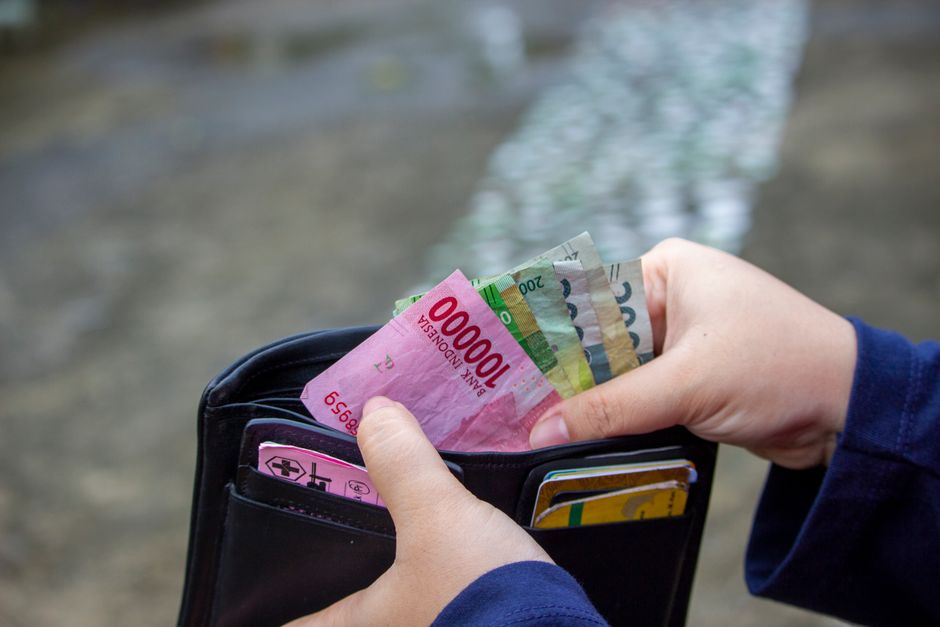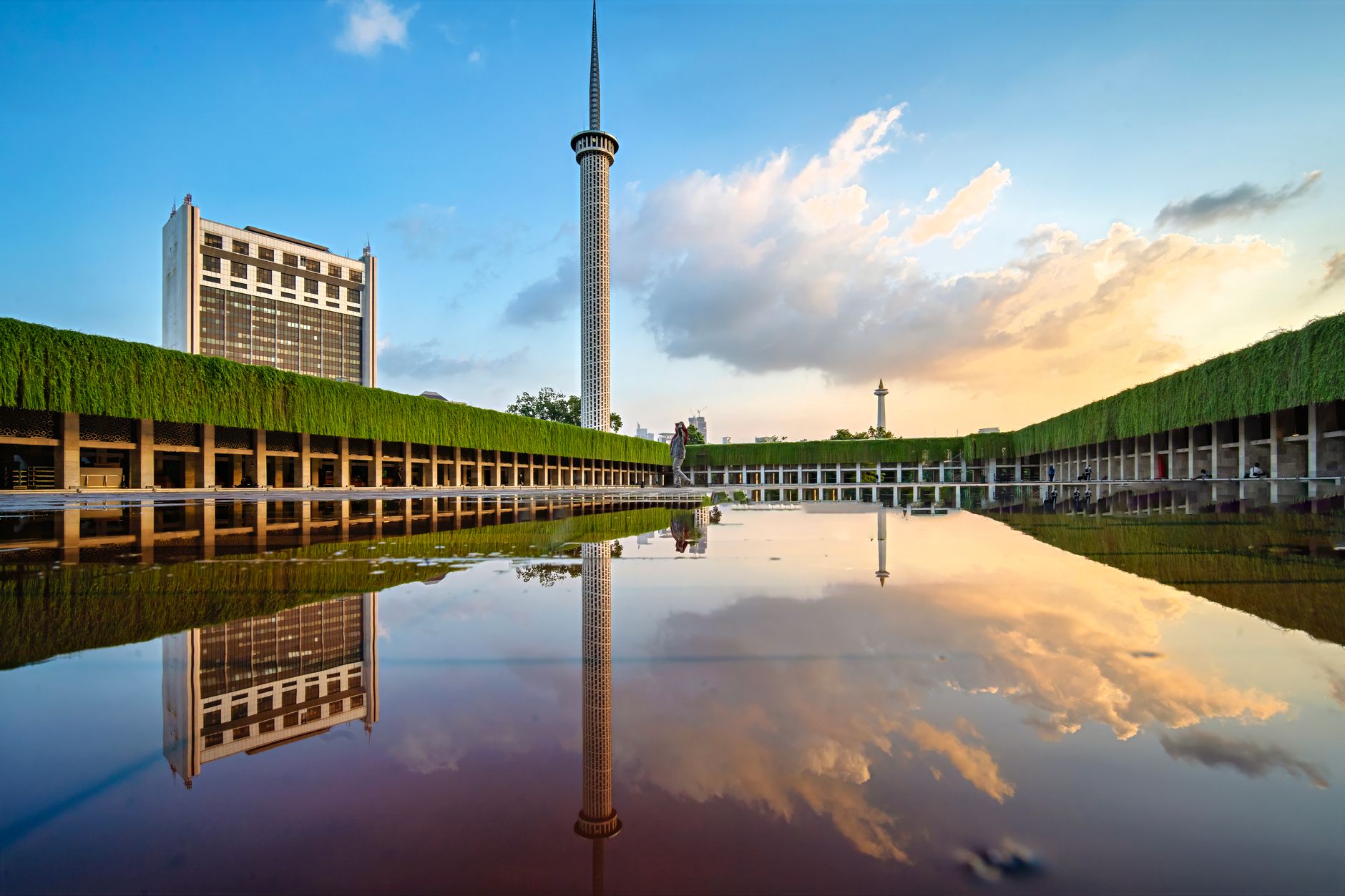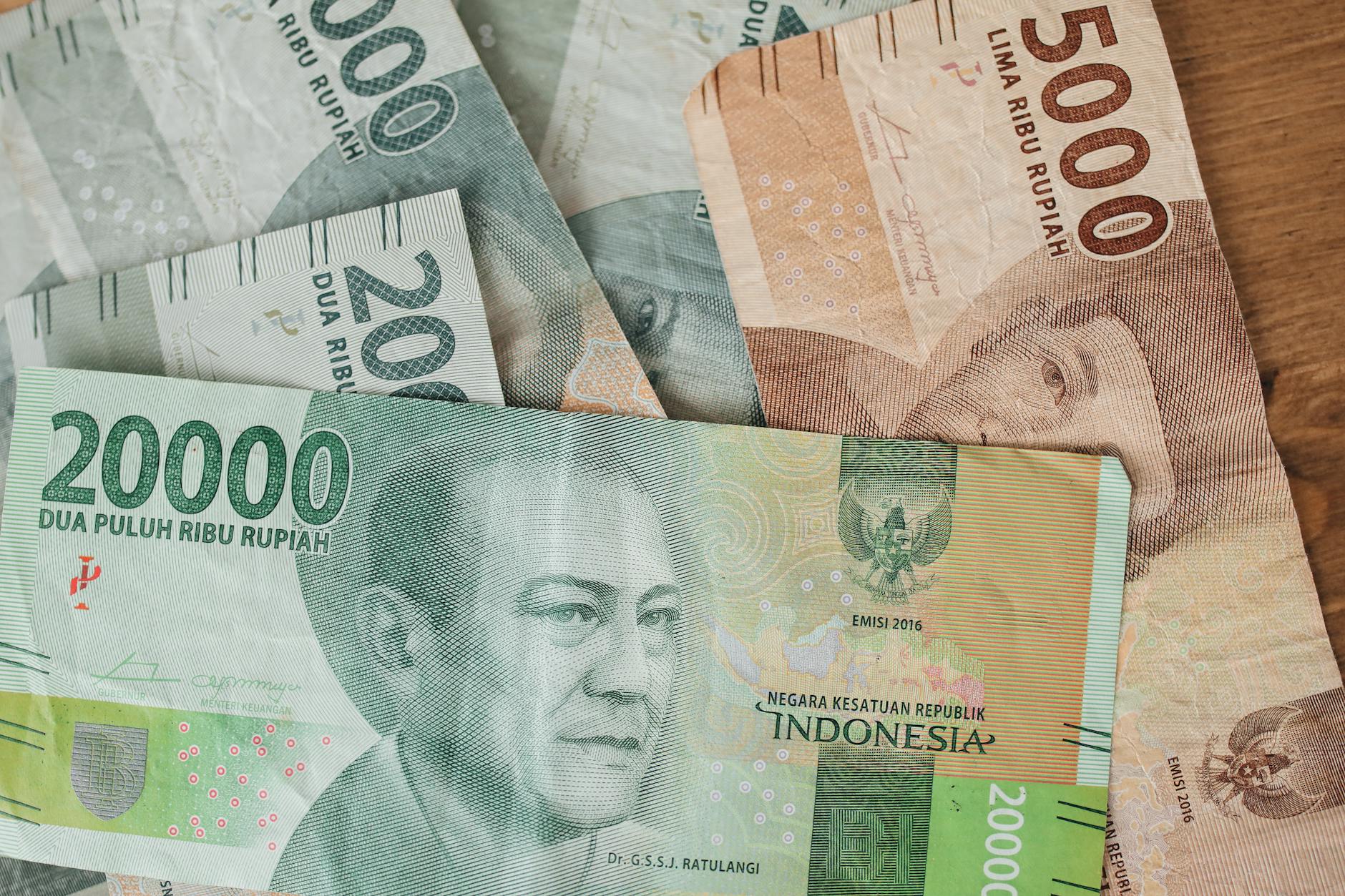
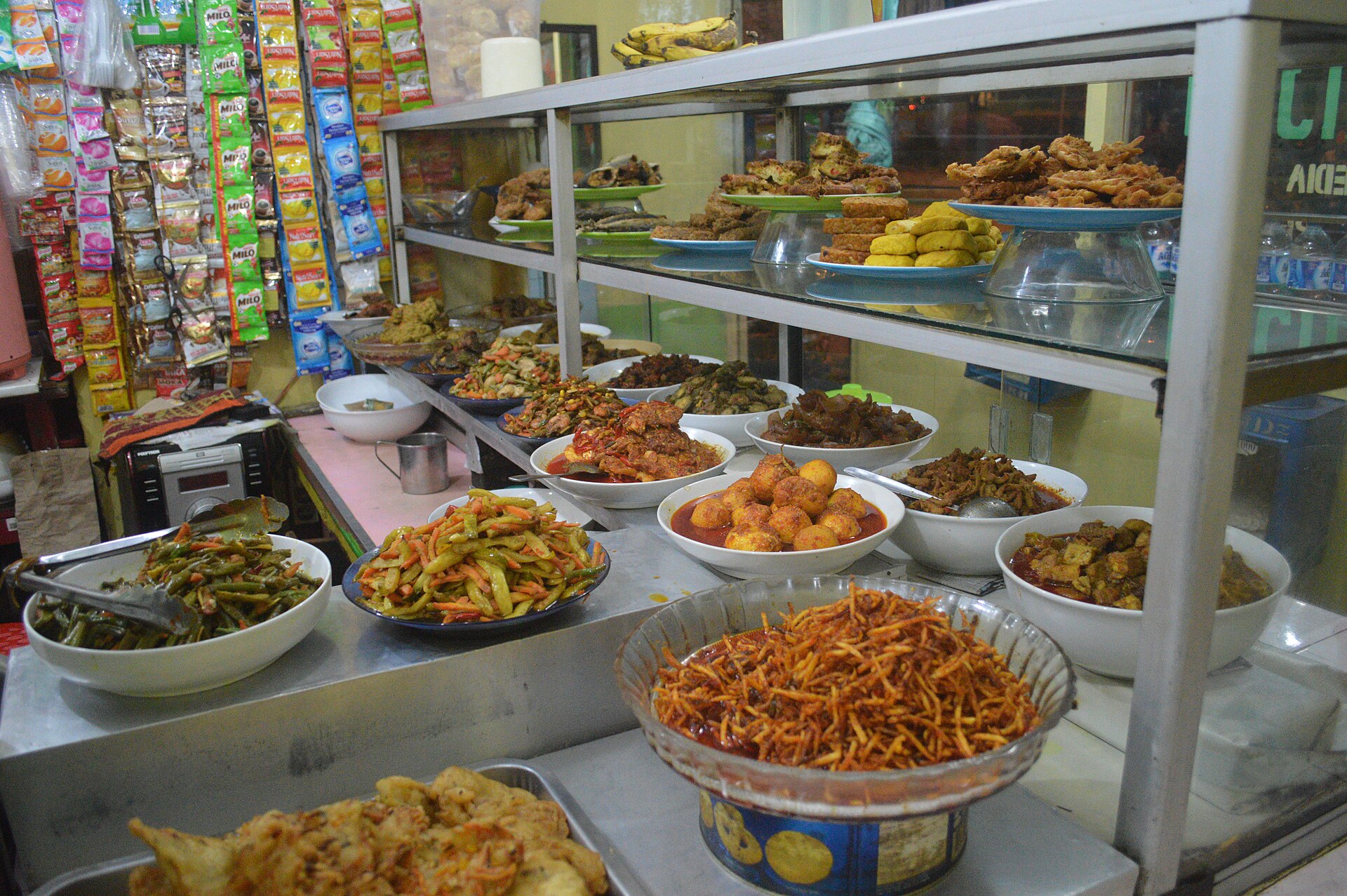
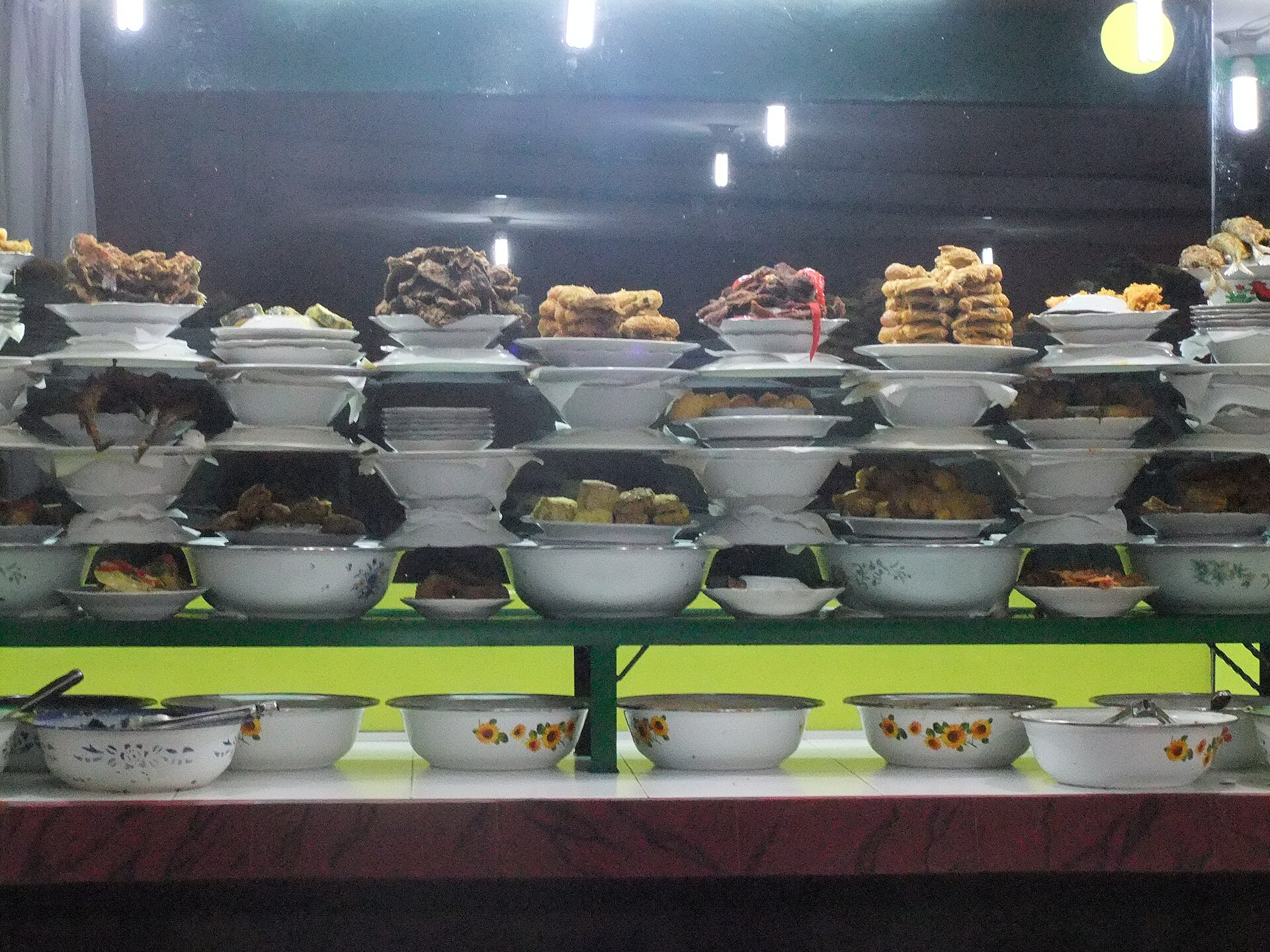
A plate of rice with three dishes from a warteg counter costs about 20,000 rupiah. A cocktail on a rooftop in SCBD, a twenty-minute taxi ride away, can cost twenty times that. Few cities in Southeast Asia stretch prices further, with some of the cheapest good food in the region at one end and hotel bars priced for oil executives at the other. So any honest account of Jakarta daily budget costs has to start with a question about you, not the city: where you sleep, how you cross town, and whether you drink.
This guide gives the short answer first — what a day costs at four levels — and then shows the working: a price list of everyday things, three real days costed line by line, what quietly pushes the number up, and how season and neighbourhood change it. Prices were checked in October 2026, when the rupiah stood at 18,138 to the US dollar. That is noticeably weaker than a year earlier, so a dollar goes further than many older guides suggest. Treat every figure here as the right order of magnitude rather than a quote.
The short answer: what a day costs per person
| Travel style | Per person per day (IDR) | Roughly (US$) | What that buys |
|---|---|---|---|
| Shoestring | 300,000–450,000 | $17–25 | Hostel dorm, warteg and street food, buses and trains, one cheap museum |
| Mid-range | 900,000–1,600,000 | $50–90 | Shared 3-star double, a mix of warungs and restaurants, Grab cars, paid sights, a couple of beers |
| Comfortable | 2,500,000–4,500,000 | $140–250 | Shared 4- or 5-star room, good restaurants, cars everywhere or a driver, a rooftop drink |
| Luxury | 6,000,000 and up | $340 and up | Top hotel, fine dining, private driver, spa |
Those ranges assume two people share a room at the mid-range level and above; a solo traveller pays the whole room, which is why solo budgets run higher. They exclude flights, visas and insurance — our trip cost breakdown covers the whole-trip picture — and they exclude shopping, because Jakarta’s malls will absorb any budget you bring.
A Jakarta price list
These are the prices that make up a day. Street and warung prices are from what vendors charge on the board; restaurant, shop and taxi prices are typical figures from September 2026; attraction prices are from the operators.
Food and drink
| Item | Typical price (IDR) |
|---|---|
| Warteg plate: rice and two or three dishes | 15,000–30,000 |
| Bubur ayam or nasi uduk for breakfast | 10,000–20,000 |
| Nasi goreng, bakso or mie ayam from a cart | 15,000–25,000 |
| Nasi Padang plate with meat | 25,000–50,000 |
| Inexpensive restaurant meal | About 47,500 |
| McDonald’s combo | About 60,000 |
| Mid-range restaurant, dinner for two | About 300,000, before “++” |
| Cappuccino in a café | About 36,000 |
| Es teh manis (sweet iced tea) at a warung | A few thousand |
| Bottled water, 1.5 litres, from a minimarket | About 8,800 |
| Coca-Cola, 330 ml | About 8,000 |
| Local beer, 500 ml bottle, from a supermarket | About 38,000 |
| Local draught beer, 500 ml, in a restaurant | About 46,000 |
| Imported beer, 330 ml, in a restaurant | About 70,000 |
Getting around
| Item | Price (IDR) |
|---|---|
| TransJakarta bus, any distance | 3,500, with a rise planned from January 2027 |
| MRT, by distance | 3,000–14,000 |
| KRL commuter train | 3,000 for the first 25 km, then 1,000 per 10 km |
| Bluebird taxi flag fall and per kilometre | 9,000, then 6,000/km for the first 10 km, 5,200/km from 10 to 30 km and 5,000/km beyond |
| Taxi waiting time, per hour | About 60,000 |
| Private car with driver, full day | About 1,000,000, including petrol, tolls and parking |
| Airport train to BNI City | 70,000–90,000 |
| DAMRI airport bus | 80,000–95,000 |
| Whoosh high-speed train to Bandung | 275,000–600,000 |
Sights and activities
| Item | Price (IDR) |
|---|---|
| City-run museums (Fatahillah, Wayang and others), adult | 10,000 Tue–Fri and 15,000 at weekends for Indonesians; 50,000 for foreign visitors |
| Museum Bank Indonesia | 5,000 |
| Monas tower and observation deck | Closed for cleaning since 9 September 2026, with no reopening date; the park around it stays open |
| National Museum, foreign visitors without KITAS | 150,000 |
| Ragunan Zoo, adult | 4,000, plus a JakCard from 45,000 (includes 20,000 credit) |
| Ancol gate fee, per person | 35,000 for Indonesians, 38,500 for foreign visitors; a car adds 35,000, a motorbike 25,000 |
| Sea World Ancol | From 120,000, plus the Ancol gate; check the price for your date on ancol.com |
| Dunia Fantasi | 275,000 Mon–Thu, 300,000 Fri, 400,000 weekends for Indonesians; 302,500 midweek for foreign visitors |
| Bogor Botanical Gardens, international visitors | 50,000 |
| Cinema ticket | About 60,000 |
Sleeping
| Type | Per night |
|---|---|
| Hostel dorm bed | Roughly €5–10 |
| Budget hotel room | From around US$15–30 |
| 3-star hotel | Around US$50 on average |
| 4-star hotel | Around US$60–100 |
| 5-star hotel | Around US$150–300, and far more at the top |
Three real days, costed line by line
Averages hide how a day actually goes, so here are three, built from the prices above. All are for one person.
A shoestring day: about 370,000
| What | IDR |
|---|---|
| Dorm bed in a central hostel | 150,000 |
| Bubur ayam from a cart for breakfast | 15,000 |
| TransJakarta Corridor 1 to Kota | 3,500 |
| Jakarta History Museum and Wayang Museum, foreign visitor rate | 100,000 |
| Lunch in Glodok: noodles and iced tea | 30,000 |
| Two big bottles of water | 18,000 |
| TransJakarta back | 3,500 |
| Afternoon kopi and a snack | 15,000 |
| Dinner from the carts on Jalan Sabang | 35,000 |
| Total | 370,000 (about US$20) |
Nothing about that day feels deprived. The food is some of the best you will eat in Indonesia, the museums are genuinely interesting, and the bus is air-conditioned. The only concessions are a dorm bed and not drinking beer. Add a café cappuccino and a motorbike taxi and you pass 400,000, still under US$25. Our backpacking Jakarta guide covers how to live at this level.
A mid-range day: about 1,300,000
| What | IDR |
|---|---|
| Half of a 3-star double with breakfast | 450,000 |
| MRT to Bundaran HI, then walk | 14,000 |
| National Museum | 150,000 |
| Coffee at a specialty café | 40,000 |
| Lunch in a mall food hall | 70,000 |
| Two Grab car rides across town | 150,000 |
| Dinner at a mid-range restaurant, half of 300,000 plus “++” | 180,000 |
| Two local beers | 100,000 |
| Water, snacks and a martabak on the way home | 60,000 |
| Buffer: tips, parking, the thing you didn’t plan | 80,000 |
| Total | about 1,300,000 (about US$73) |
This is the level most first-time visitors actually travel at, and it is very comfortable indeed. Swap the museum for a free morning at Istiqlal and the Cathedral and skip the beers, and it drops below a million. Travel solo and pay the whole room, and it rises to about 1,750,000.
A comfortable day: about 3,500,000
| What | IDR |
|---|---|
| Half of a 5-star double on Thamrin | 1,800,000 |
| Half of a private car and driver for the day | 500,000 |
| Sea World (from 120,000) and the Ancol gate (38,500 for foreign visitors) | From 158,500 |
| Seafood lunch by the marina | 250,000 |
| Sunset drink at a rooftop bar | 250,000 |
| Dinner at a good restaurant with wine | 450,000 |
| Buffer | 100,000 |
| Total | about 3,508,500 (about US$193) |
The rooftop drink and the wine line are estimates, and in practice they are the lines that grow. Jakarta’s top hotel bars and restaurants price wine and cocktails far above everything else in the city, because imported alcohol carries heavy duty. See our luxury travel guide for where the money is well spent at this level.
The first day costs more — plan for it
Every daily budget in this guide is a normal day. The day you arrive is not, and it is worth budgeting separately, because it carries several one-off costs that the averages hide.
- The airport. The airport train is 70,000–90,000 to BNI City and the DAMRI bus 80,000–95,000 to Gambir, Blok M and other termini. A taxi or Grab car to the centre costs a good deal more, and at the evening peak you pay for time as well as distance, so check the app’s route estimate before you book.
- A SIM or eSIM. Buy one at an official operator counter; it is the thing that makes every cheaper option — Grab, Gojek, maps, the transit apps — actually usable.
- A transport card. A card fee plus whatever you load onto it, bought at stations and minimarkets. One card does buses, MRT and KRL for the rest of the trip.
- Stocking up. Water, sunscreen, a snack stash and whatever you forgot to pack.
- The exchange spread. Airport money changers give the worst rates in the city. Change only what you need for the first day, or use an ATM, and do the rest at a licensed changer in a mall.
On a shoestring, the first day can easily cost 500,000 once the airport and the SIM are in it. Spread across a five-day stay that is an extra 40,000 a day on the average — small, but enough to explain why a budget that looked right on paper runs short on day four.
What quietly pushes the daily number up

Visitors rarely overspend on the big things they planned. They overspend on five small ones.
1. Crossing the city at the wrong hour
A car from Kota Tua to SCBD is far slower in the evening rush than in the late morning, and app fares climb with surge pricing at busy times. Three or four cross-city car trips a day at peak times can cost more than your hotel. The fix is structural: see one area per day, use the MRT and TransJakarta on the long legs, and save cars for short hops and late nights. Our traffic guide and transport costs guide go into detail.
2. Alcohol
Beer in a restaurant costs about 46,000 for a local draught and 70,000 for an imported bottle — before the “++” — and hotel bars charge considerably more. Two drinks a day can double a shoestring budget. Indomaret and Alfamart do not sell beer, so buying it cheaply means a supermarket trip. Our rooftop bars guide has the ones worth the premium.
3. The “++” on the menu
Mid-range and upmarket restaurants quote prices “++”: a service charge of usually 5–10 per cent plus a 10 per cent regional restaurant tax, together 15–21 per cent on top of what the menu says. It is the most common cause of a bill that feels wrong. Warungs, carts and most food courts charge the price on the board and nothing more.
4. Fees that stack
Several of Jakarta’s attractions charge twice. The Ancol gate is 35,000 per person (38,500 for foreign visitors) before any ticket for Dufan, Sea World or the water park inside it, plus 35,000 for a car or 25,000 for a motorbike if you drive. Taman Mini charges a gate fee before its separate museums. Ragunan needs a JakCard bought at the gate. None of it is large, but a family of four can spend 200,000 before seeing anything. Budget for the gate as well as the attraction.
5. Sleeping in the wrong place
A cheap hotel an hour from everything you want to see costs you a car every day. A room that is 150,000 more on Thamrin or near an MRT station can work out cheaper by evening, so weigh the room and the rides together before you book. Our best areas to stay guide weighs location against price.
What is cheaper than you expect
- Public transport. A day of buses and trains can cost less than a single cappuccino. The MRT’s top fare is 14,000; TransJakarta is 3,500 regardless of distance.
- Local food. The best meals in Jakarta are frequently the cheapest ones. A warteg lunch, a nasi Padang plate and a night-market dinner cost less together than one Western-style restaurant meal.
- Museums. Outside the National Museum, the city-run museums in Kota Tua are cheap: 50,000 for foreign visitors, and 10,000 for Indonesian adults on weekdays.
- The best sights. Istiqlal, the Cathedral, Fatahillah Square, Glodok’s temples, Taman Suropati, the Sunday car-free day and Tebet Eco Park cost nothing. Our free things to do guide has 25 more.
- Coffee culture. The local coffee chains are cheap and good, and a café cappuccino averages about 36,000.
- Laundry. Laundry kiloan — by the kilo — costs a fraction of the hotel laundry list and comes back folded.
- Help. A full day of car and driver at about 1,000,000, petrol and tolls included, is excellent value split between three or four people.
How the daily budget changes
By season
Hotel rates move more than anything else. The rainy season, roughly November to April, is the cheaper time for rooms, and January has some of the lowest rates of the year. Booking-site data also puts August among the cheapest months and October among the most expensive. National holidays and the Lebaran period at the end of Ramadan change everything: domestic travel surges, hotels in resort areas fill, and some businesses in Jakarta close for a week while the city empties. Our best time to visit guide has the calendar.
By neighbourhood
The same plate of food costs noticeably more in Kemang, SCBD, Senayan and Menteng than in Glodok, Blok M’s back streets or around Pasar Senen, and café and bar prices vary even more. Staying central does not have to mean eating central: the warungs behind the office towers feed the people who work in them, at their prices.
Solo or shared
A shared room halves the biggest line on the budget. That is why a mid-range couple can travel for less per head than a mid-range solo traveller, and why hostels with private rooms are such good value for two.
Families
Food and transport scale well with children — a family of four eats at a mid-range restaurant for around 200,000–400,000 — but ticketed attractions scale less well, and each sets its own rules for child tickets, so check them before you buy. Our family attractions guide has the prices.
Business travellers
Business budgets are driven by the hotel and the car. A 4- or 5-star room in SCBD or on Sudirman and cars to every meeting typically land between 2,500,000 and 4,500,000 a day before entertaining. The MRT along Sudirman is often faster than a car at rush hour. See the business travel guide.
What day trips add
Jakarta’s best days out include some of its cheapest, and a couple of them cost more than a normal day in the city. It is worth knowing which is which before you plan the week.
| Trip | Getting there (IDR) | Main costs on the day | Verdict |
|---|---|---|---|
| Bogor and the Botanical Gardens | KRL, under 10,000 each way | Gardens 50,000 for international visitors; lunch | Cheap by train, and it fits in a day |
| Thousand Islands | Traditional ferry from Kali Adem, generally cheaper than the speedboat; Marina Ancol speedboats roughly 175,000–215,000 each way, depending on the island | Homestay, food, snorkelling | Worth it overnight rather than as a day |
| Bandung | Whoosh 275,000–600,000 each way, promos from about 100,000; or the slower Parahyangan from Gambir, so compare the same date in Access by KAI | Food, factory outlets, the volcano if you go | Better as a weekend than a day |
| Taman Safari Bogor | Car and driver, about 1,000,000 for the day | Safari Siang Premium, with Istana Panda: adults 230,000 weekday, 255,000 weekend | Good for families who split the car |
| Puncak highlands | Car and driver | Tea plantations, food, a villa if you stay | Midweek only — weekend traffic is notorious |
The pattern is that the cheap trips go by rail and the expensive ones need a car. Bogor by KRL costs under 10,000 each way, while Taman Safari means hiring a car for the day, which gets cheaper the more people share it. The same distance costs radically different amounts of time, too. The train to Bogor runs to a timetable; the drive depends on traffic, so check a live route estimate before you set off. Our best day trips from Jakarta and the Bogor day trip guide have the detail.
Staying longer: how the daily number falls
Travellers staying a month or more — remote workers, long-stay visitors, people between jobs in Asia — find the daily figure drops substantially after the first week, for three reasons.
Rooms get cheaper by the week and the month
Serviced apartments and guesthouses routinely offer weekly and monthly rates well below the nightly price, and Indonesians rent kos rooms — boarding-house rooms let by the month — in every neighbourhood. For stays of a month and more, ask for the monthly rate directly rather than booking night by night through an app.
Self-catering is not the saving you expect
This surprises people. A litre of milk costs about 25,000, a loaf of white bread about 20,000, a dozen eggs about 31,000 and a kilo of chicken fillet about 54,000 in a Jakarta supermarket — while a warteg plate of rice with two dishes costs 15,000 to 30,000. Cooking for one rarely beats the warteg. Buy breakfast things, fruit and water in bulk, and let the city cook everything else.
Monthly costs replace daily ones
A mobile plan runs around 106,000 a month, home internet around 340,000, and a gym membership around 468,000. Laundry by the kilo replaces the hotel laundry list, and your transport card replaces most of the cars. A long-stay traveller living simply can spend noticeably less per day than the shoestring figure at the top of this guide, and do it with a private room.
Money practicalities that affect the daily figure
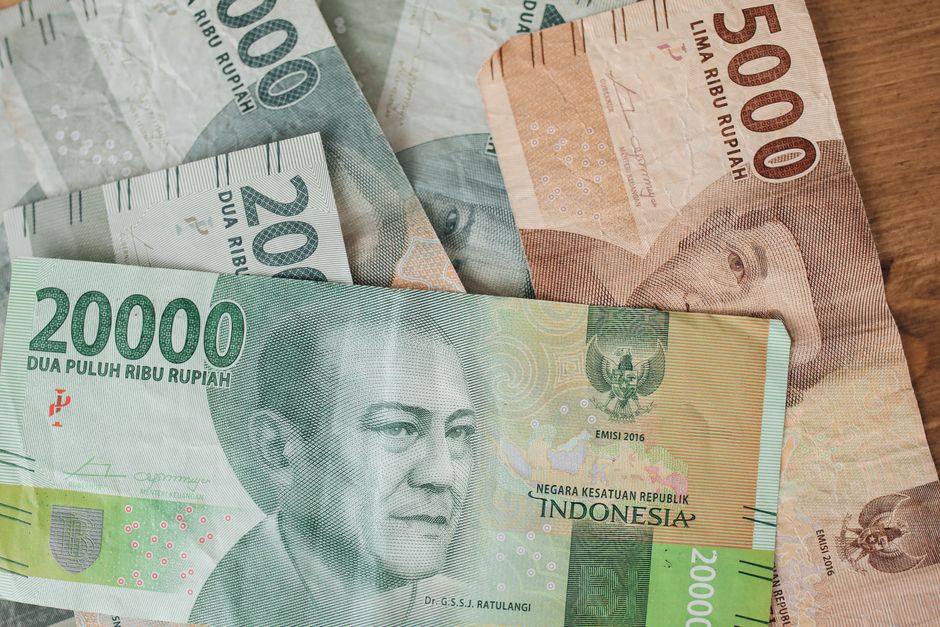
- Cash, cards and QR. Hotels, malls, restaurants and chains take cards. Warungs, carts and markets want cash, often in small notes. The national QRIS code is everywhere, but paying with it needs an Indonesian e-wallet or banking app — or a home banking app that supports cross-border QRIS, which a growing number of Asian banks do.
- A transport card. TransJakarta does not take cash. Buy a JakLingko or bank e-money card on day one and top it up at minimarkets; one card covers buses, MRT and KRL. See the JakLingko card guide.
- ATMs. Local banks add a fee to your own bank’s charges, so fewer, larger withdrawals save money. Machines usually say whether they give 50,000 or 100,000 notes.
- Exchange. Licensed money changers in malls give better rates than airport or street kiosks, and they want clean, recent US dollar notes. Our currency exchange guide explains the rules.
- Tipping. Not expected at warungs. Round up for drivers, and leave small change where a service charge has not been added. The “++” already includes service in restaurants.
- A SIM card. Grab, Gojek and maps run the city, so a local SIM or eSIM pays for itself on the first day. See the SIM card guide.
Where to spend and where to save
A budget is a set of choices, and some of Jakarta’s are easy. Here is where the money does the most for you, and where it is wasted.
Worth spending on
- Location. A room near an MRT station or on the Sudirman–Thamrin spine pays for itself in cars you do not need.
- One driver day. For a day trip to Taman Safari, Puncak or the south coast, about 1,000,000 buys a car, a driver, petrol, tolls and parking — excellent value split three or four ways.
- One great Indonesian dinner. A proper Betawi, Padang or Sundanese restaurant costs a fraction of an imported-menu restaurant and is the better meal.
- The National Museum, if it is the one museum you do. At 150,000 for foreign visitors it is no longer a casual stop, but its collection of around 190,000 historical objects repays the time.
- One sunset drink on a rooftop, for the view. One.
Worth saving on
- Alcohol — the fastest way to double a daily budget in Jakarta.
- Hotel breakfast, when it is not included. Bubur ayam or nasi uduk from a cart costs 10,000–20,000 and is better.
- Imported food. Anything that had to be shipped — cheese, wine, steak, Western chains — carries a premium. Indonesian food does not.
- Taxis at rush hour. The meter keeps running while you sit still. Take the MRT, or wait until after 19:00.
- Theme parks, unless you love them. The Ancol gate plus Dufan at a weekend is 435,000 per person before lunch.
- Small bottles of water. A 1.5-litre bottle from a minimarket costs about 8,800; buying 330 ml bottles in restaurants all day costs several times more for the same water.
How to set your own daily budget

The easiest way to build a realistic number is to add up five lines and then add a margin:
- Your bed per person per night — the biggest and least flexible line.
- Food — about 80,000 a day on warungs and street food, 250,000–450,000 mixing in restaurants, 700,000 and up eating well.
- Transport — about 25,000 a day on public transport, 100,000–250,000 with Grab cars, 500,000–1,000,000 with a driver.
- One paid sight a day — from 50,000 for a city museum at the foreign rate (10,000 for Indonesians on weekdays) to 400,000 for Dufan at a weekend.
- Drinks and treats — zero, or the line that doubles everything.
Then add 10 per cent for gate fees, parking, water and the things you did not plan, and allow for the “++” on restaurant bills. It is a very Jakarta margin, and you will use it.
For the bigger picture — flights, visas, insurance and full sample trips — see our trip cost breakdown, and for ways to bring every line down, the budget travel guide.
Frequently asked questions
How much money do I need per day in Jakarta?
About 300,000–450,000 rupiah (US$17–25) on a shoestring, 900,000–1,600,000 (US$50–90) mid-range, and 2,500,000–4,500,000 (US$140–250) for a comfortable trip, per person with a shared room from mid-range upwards. Luxury travel starts at around 6,000,000 a day. Flights, visas and shopping are extra.
Is Jakarta expensive for tourists?
Not unless you want it to be. Local food, public transport and most museums are among the cheapest in Southeast Asia. Hotels are reasonable. Alcohol, imported goods, rooftop bars and fine dining are expensive, sometimes more than in Europe, because of import duties and taxes.
Can you do Jakarta on US$30 a day?
Yes. At Bank Indonesia’s late-October 2026 rate of 18,138 rupiah to the dollar, US$30 is around 544,000 rupiah — enough for a dorm bed, three local meals, public transport and a museum, with money left for a coffee or a motorbike taxi. The one thing it will not cover is regular drinking.
What is the exchange rate in Jakarta?
In late October 2026 it was about 18,138 rupiah to the US dollar, weaker than a year earlier. Use licensed money changers in malls for the best cash rates, and check the day’s mid-market rate before you change.
How much is a meal in Jakarta?
15,000–30,000 at a warteg or from a street cart, around 47,500 at an inexpensive restaurant, about 60,000 for a fast-food combo, and around 300,000 for two at a mid-range restaurant before the “++” of service charge and tax, which adds 15–21 per cent.
How much does transport cost per day in Jakarta?
About 25,000 if you use TransJakarta (3,500 a ride, with a rise planned from January 2027), the MRT (3,000–14,000) and the KRL (from 3,000). Using Grab cars for most trips, budget 100,000–250,000. A private car with driver costs about 1,000,000 for the day, including petrol, tolls and parking.
Do I need cash in Jakarta?
Yes, some. Warungs, street food, markets and small shops expect cash, often in small notes. Hotels, malls and restaurants take cards. Public transport needs a stored-value card, bought and topped up with cash at stations and minimarkets.
What is the cheapest month to visit Jakarta?
January, in the rainy season, has some of the lowest hotel rates of the year. In the dry season, August is typically cheaper than the other months. Avoid the Lebaran holiday period at the end of Ramadan if you want normal opening hours: many shops and markets close for the holiday.
How much should I budget for a week in Jakarta?
Excluding flights, roughly 2,300,000–3,350,000 rupiah (US$130–190) on a shoestring and 6,300,000–11,200,000 (US$355–630) mid-range, per person, including the one-off costs of arrival day. A comfortable week sharing a 4- or 5-star room runs from around 17,500,000 (about US$1,000) upwards.
How much is a hotel in Jakarta per night?
A hostel dorm bed is roughly €5–10. Budget hotel rooms start from around US$15–30. Three-star hotels average about US$50, four-star about US$60–100, and five-star about US$150–300, with the top addresses well beyond that. Rates are lowest in the rainy season, particularly January.
Is tipping expected in Jakarta?
Not at warungs or street stalls. Restaurants that add “++” already include a service charge. Rounding up for drivers and leaving small change for good service elsewhere is appreciated rather than expected.
If you want to test the shoestring figure over a whole trip, our guide to Jakarta on 25 dollars a day keeps a running total across a full week, airport transfers and a museum splurge included, and comes in at about $18 a day. It also works through the private-room version and what changes for two people sharing.
Related Jakarta Guides
- Budget Travel in Jakarta
- How Much Does a Trip to Jakarta Cost?
- Backpacking Jakarta
- Cheap Eats in Jakarta
- Jakarta Transportation Costs
- Budget Hotels & Hostels in Jakarta
- Free Things to Do in Jakarta
- Currency Exchange in Jakarta
- Best Time to Visit Jakarta
- Luxury Travel in Jakarta
Photo Credits
Warteg counter in Jakarta: Menu Warteg di Jakarta by Ezagren, CC BY-SA 4.0, via Wikimedia Commons.
Nasi Padang dishes in a restaurant window: Nasi padang dishes by Midori, CC BY 3.0, via Wikimedia Commons.